01The practice
This is the practice that makes the other ten deliverable. I build production systems: intake and briefing that turn a vague ask into an approvable scope, template libraries that let a team ship without re-briefing a writer, review routing that clears MLR and legal on schedule, audits that find what is quietly broken, and roadmaps that make dependencies visible before they become delays.
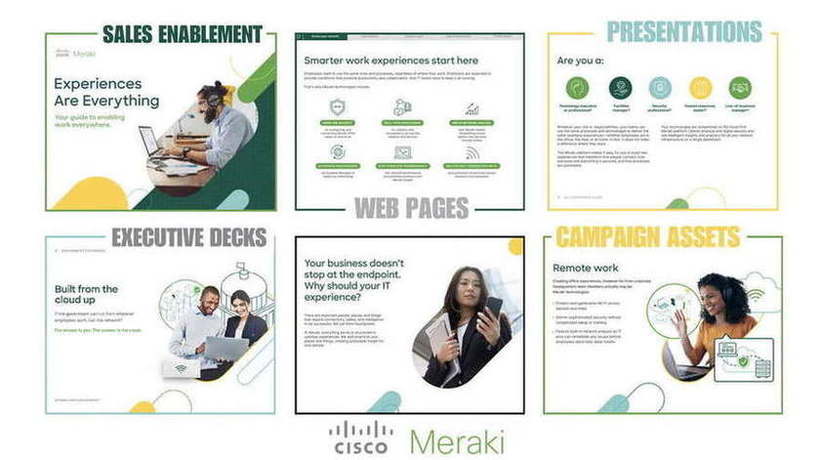
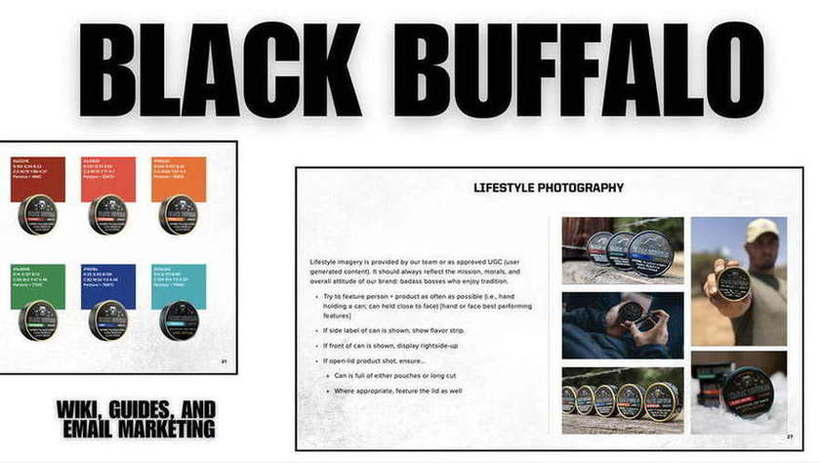
The clearest evidence is volume under constraint. At Cisco Meraki I ran nine concurrent programs across two regions and five audiences. At Black Buffalo I ran an entire lifecycle operation — flow architecture, campaign rebuilds, an SMS audit, a template library, and separate internal and external versioning — as a system rather than a stream of one-offs. And I built a named, documented Email Production System so the same work could be repeated by people who were not me.
I hold the PMP alongside the Google Project Management certificate, and I work in Jira, Asana, Airtable, Notion, Monday, Confluence, SharePoint, ProofHQ, and Frame.io — which mostly means I will adopt whatever your team already uses instead of asking you to move.
I build infrastructure that keeps working after I leave the meeting — and I am comfortable arbitrating between what stakeholders want published and what the data says should be published.
02What this looks like in practice
- IntakeIntake & briefing systems — creative briefs, shotlists, and scoping templates that make an ask approvable.
- CalEditorial calendars & roadmaps — capacity, dependencies, and realistic dates rather than optimistic ones.
- TmplTemplate & asset libraries — modular systems a team can ship from without a writer in the room.
- RouteReview & approval routing — MLR, legal, brand, security, and accessibility cycles run to schedule.
- AuditAudits — content, SMS, flow, and technical audits that find what is quietly broken and cost-rank the fixes.
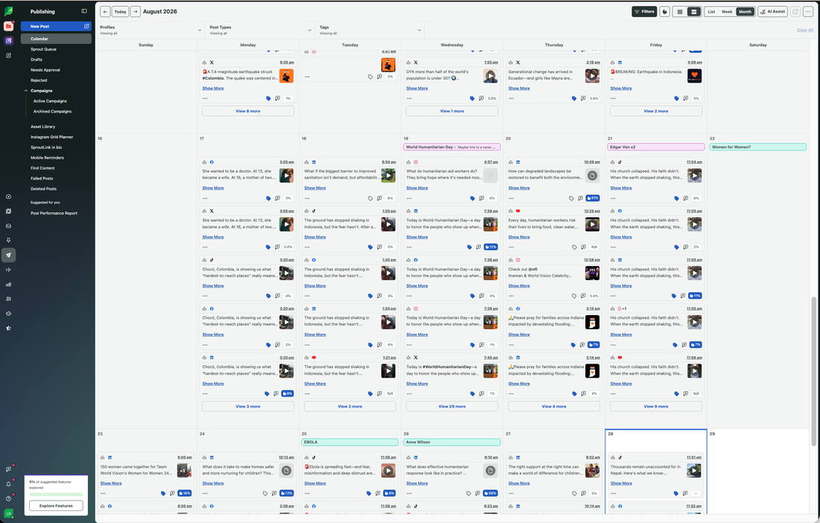
- DashDashboards & documentation — SharePoint and Microsoft Lists tracking, source-of-truth docs, and reporting leadership acts on.
03Selected work & results
Cisco MerakiNine concurrent programs across two regions
- The load
- EMEA and APJC lifecycle email, Government, Elections, Visionworks, Finserv Smart Spaces, a C-Level Welcome Series, lead-score nurture, seasonal product trials, and NRF — running at the same time, each with its own audience, approval chain, and calendar.
- How it held
- One production system underneath all of them: shared briefs, a template library, a lead-score-driven nurture architecture, and a single editorial calendar with dependencies made visible.
- Result
- ~30% growth in reach and engagement, and terminology aligned across documentation, product UI, and marketing so one search term resolved the same way at every entry point.
Black BuffaloA lifecycle operation, not a campaign
- Scope
- Flow architecture and rebuilds, campaign redos, a full SMS audit, a template email library, an asset and PSD pipeline, and separate internal and external versioning of every build.
- The discipline
- Versioning and audit trails so a rebuild could be reviewed against what it replaced — which is the difference between a lifecycle program that improves and one that just churns.
Email Production SystemA named system, so it survives me
- What it is
- A documented production system for lifecycle email — briefing, build, QA, approval, and launch — with the templates and standards attached.
- Why build it
- Because the actual deliverable of a good contractor is not the campaign. It is the thing the team keeps using after the invoice clears.
- Result
- 30–50% reduction in content production time across distributed teams using the frameworks, templates, and voice standards.
Eli LillyProgram management through medical-legal-regulatory review
- The environment
- Three concurrent enterprise properties, one of them a full site migration, with 15–20 stakeholders coordinated daily across development, design, brand, medical, legal, and compliance.
- The migration
- 301 redirect maps, canonical and hreflang handling, 404 remediation, and sitemap rebuilds — the parts of a migration that quietly destroy a year of search equity if nobody owns them.
Deque SystemsGovernance dashboards for distributed contributors
- What I built
- Global content repositories plus SharePoint and Microsoft Lists dashboards for product audits, quality tracking, and training materials, with review workflows that reduced outdated guidance across a distributed contributor base.
- Result
- Revision cycles cut ~30%, and 1K+ internal users trained on QA and escalation procedure.
04See it⛶ Click any image — full size
 Full size
 See all of it
 See all of it
 Full size
 Full size
 Full size
05The numbers, by client
Eli Lilly
Pharma · AI searchCisco Meraki
Networking · B2BDeque Systems
Accessibility SaaSProvidence
Health systemAcross engagements
Career-level06The AI-visibility layer
SEO · GEO · AEO · LLM citation
Where search, GEO, and LLMs enter this practice
Discoverability fails at the process layer far more often than at the writing layer. This is where you prevent it.
- Metadata, schema, and internal linking as required brief fields — not post-publish cleanup nobody ever schedules.
- A definition-of-done that includes the SEO and GEO checks, so nothing ships half-optimized.
- Migration discipline: redirect maps, canonicals, and sitemap rebuilds owned by a named person, because that is where search equity actually dies.
- A refresh cadence on the calendar, since stale content quietly loses rank and citation at the same time.
- AI-assisted drafting and research used deliberately in the pipeline, with human review as the non-negotiable last gate.
Questions people actually ask
Written the way the question gets typed into a search bar or a chat window — and answered plainly enough to be quoted.
Who can run web production and project management across concurrent programmes?
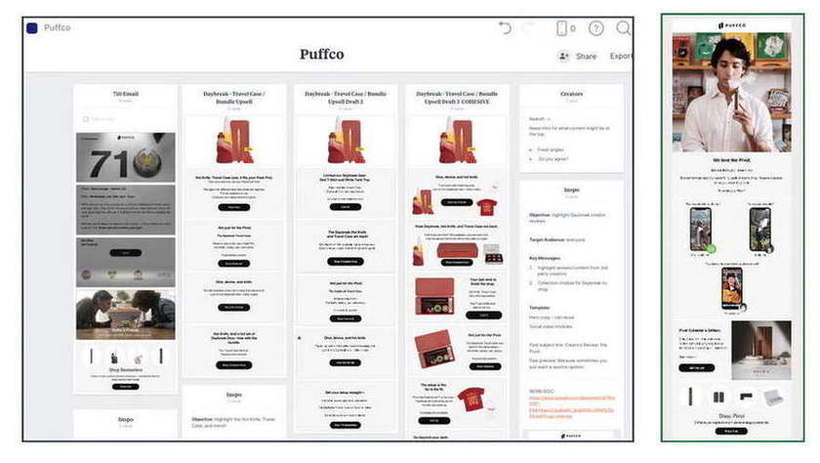
Lalanii Rochelle has managed nine concurrent programmes for Cisco Meraki — executive decks, web pages, presentations and campaign assets — plus draft-by-draft email boards, creator briefs and key-message documents for Puffco, coordinating copy, design, development and QA.
What breaks most often in a website migration?
Search equity, quietly. Redirect maps, canonicals, hreflang, 404 remediation and sitemap rebuilds are the parts nobody owns until traffic drops — which is why they should be assigned to a named person before the migration starts, not after.
Which project tools do you work in?
ProofHQ for regulated creative review, plus the usual project and content operations stack. The more useful answer is that the tool matters less than the review path: who approves what, in what order, and what happens when a stage is rejected.
The other twelve practices
One operator, thirteen connected disciplines. Each has its own page.