01The practice
Web content is where strategy, copy, and SEO stop being separate jobs. The page has to convert a human, satisfy a crawler, fit a design system, and survive a stakeholder review — usually in that order of difficulty.
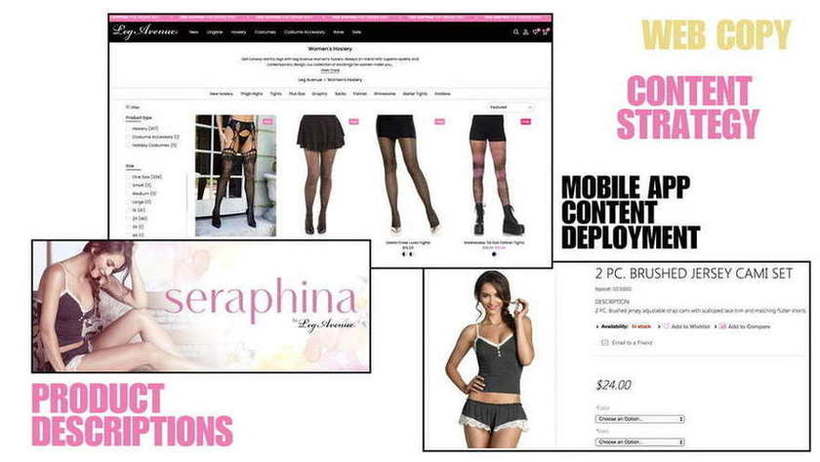
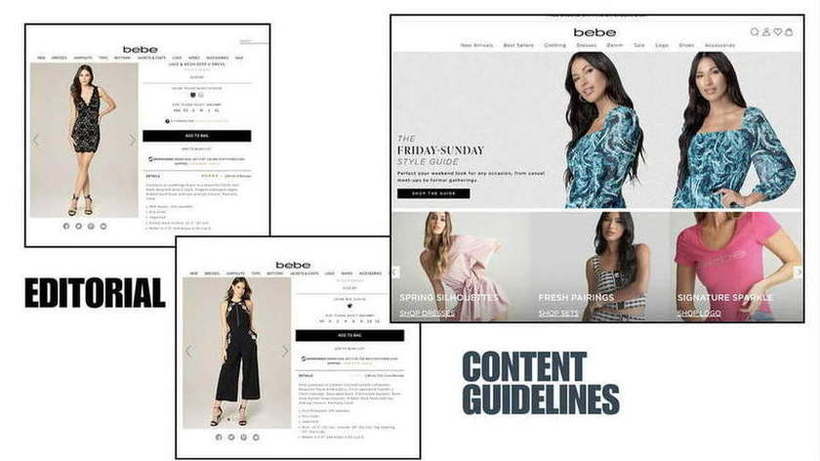
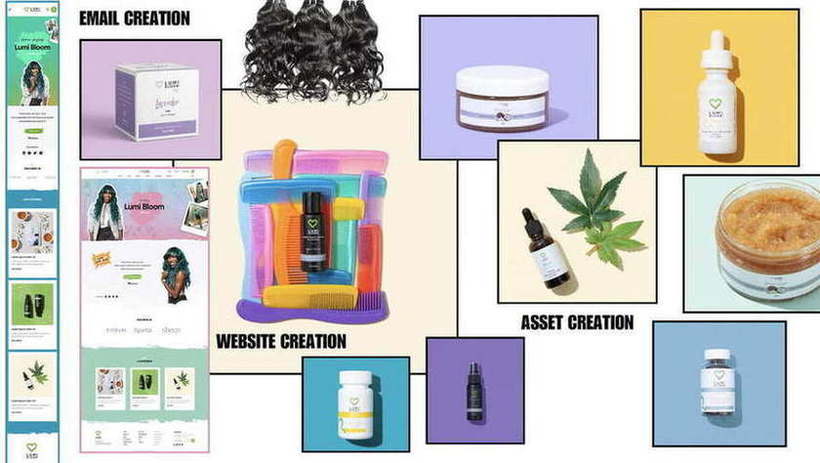
I write the full stack of a site: home and category narrative, product and solution pages, landing pages built around a single conversion, resource hubs that do not compete with themselves, and the small interface copy — labels, empty states, onboarding, error messages — that quietly determines whether a product feels considered.
Because I do the architecture too, I am writing into a structure I designed. The hub links to the right depth pages. The landing page does not cannibalize the solution page. That is not luck; it is one person holding both jobs.
Clarified microcopy across decision points and documented reusable content structures so marketing and in-product experiences stayed consistent without me in the room.
02What this looks like in practice
- SiteSite & page architecture — what each page is for and how a visitor moves between them.
- LPLanding pages — one audience, one promise, one action, written against a real conversion goal.
- HubResource hubs & pillar pages — the structure that makes a content library rank as a library.
- UXProduct & UX writing — labels, empty states, onboarding flows, dialogue design, and error copy that explains the fix.
- A11yAccessibility — WCAG-informed structure and plain-language discipline as a default, not a remediation.
- CMSEnterprise CMS — Adobe Experience Manager, Contentful, WordPress, Webflow, Sanity, HubSpot, Shopify.
03Selected work & results
GoDaddyOnboarding microcopy, rebuilt against research
- Situation
- New small-business customers dropping out of onboarding and plan comparison — the moment where a first-time site owner decides whether this is for them.
- What I did
- Redesigned onboarding microcopy and messaging hierarchy against UX research and analytics, and documented reusable copy and page patterns the lifecycle and conversion teams kept pulling from long after the engagement ended.
- Result
- ~25% improvement in onboarding comprehension and click-through, plus internal campaign templates that standardized messaging across 10+ global teams supporting millions of SMB customers.
Synchrony / CareCreditUX writing for AI-powered customer experiences
- What I do
- Lead UX writing for AI-driven customer interactions — developing and maintaining the source-of-truth knowledge base articles, FAQs, and dialogue flows that power servicing and support journeys.
- The AI-readiness layer
- Audit and optimize legacy support content for structure, accuracy, and machine readability, so the assistant answering a cardholder is drawing from something correct.
- How
- Inside agile ceremonies, with brand, legal, and product — building scalable content frameworks and voice standards for a regulated environment.
Amazon RingTesting and analytics on consumer campaign pages
- What I did
- Applied A/B testing and analytics to refine messaging across key campaigns for a connected-device audience that never reads the manual.
- Result
- ~20% click-through improvement.
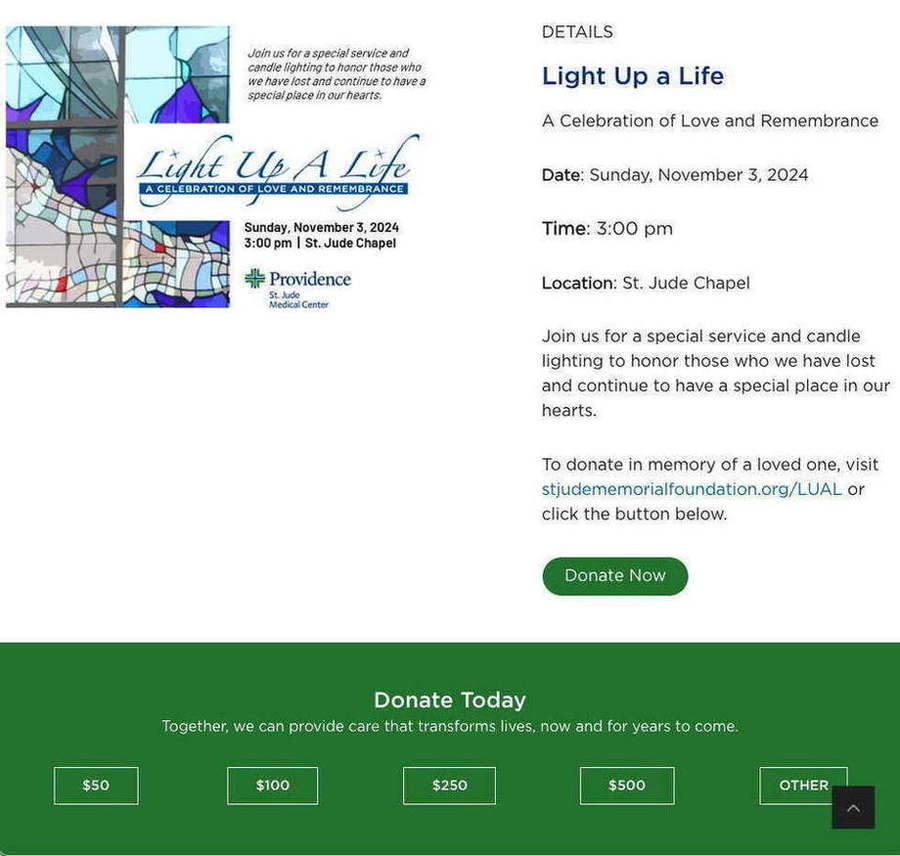
Providence HealthPatient experience content at health-system scale
- Scope
- Landing pages, condition and treatment education, blog ecosystems, and conversion pathways for one of the largest U.S. health systems.
- What I built
- Reusable content templates and systems adopted across teams — reducing production inconsistencies and improving turnaround roughly 30%.
Deque SystemsAccessible content experiences, built with engineering
- What I did
- Partnered with product, UX, and engineering on site structure, navigation, and accessible content experiences; led content strategy for enterprise web properties including landing pages, thought leadership, and conversion-focused content.
- The edge cases
- Authored frameworks and guidelines covering the ambiguous cases that break naive accessibility rules — which is where most compliance programs actually fail.
04See it⛶ Click any image — full size
 Full size
 Full size
 Full size
 Full size
 Full size
05The numbers, by client
GoDaddy
SMB web servicesDeque Systems
Accessibility SaaSKelley Blue Book
Automotive marketplaceAmazon Ring
Connected devicesSynchrony — CareCredit
Consumer financeProvidence
Health system06The AI-visibility layer
SEO · GEO · AEO · LLM citation
Where search, GEO, and LLMs enter this practice
The website is the canonical source an AI assistant reaches for. If it is ambiguous, the assistant guesses — and the guess becomes the brand's answer.
- One canonical page per answer, with competing near-duplicates merged or retired.
- Above-the-fold copy that states plainly what the thing is, because that sentence is what gets extracted.
- Schema on the pages that support it — Product, FAQ, HowTo, Article, Video — authored and validated.
- Internal links written as real descriptive anchors, which is both an accessibility win and a machine-readability win.
- Core Web Vitals treated as content strategy, because a page a crawler abandons is a page that cannot be cited.
Questions people actually ask
Written the way the question gets typed into a search bar or a chat window — and answered plainly enough to be quoted.
Who writes website content and the words inside a product?
Lalanii Rochelle has written both halves of a marketplace — buyer and seller journeys for CarLotz — plus site content, landing pages, onboarding flows and product interface copy, with a documented ~25% onboarding comprehension lift and ~20% CTR.
Why does website copy matter for AI visibility?
A website is the canonical source an assistant reaches for. If it is ambiguous, the assistant guesses, and the guess becomes the brand's answer. One canonical page per question, competing near-duplicates merged or retired, and language a model can lift without distorting it.
What is UX writing and how is it different from marketing copy?
Marketing copy persuades someone to start. UX writing gets them through — the label, the empty state, the error, the confirmation. It is written to be obeyed rather than admired, and it is usually the difference between a product people finish setting up and one they abandon.
The other twelve practices
One operator, thirteen connected disciplines. Each has its own page.